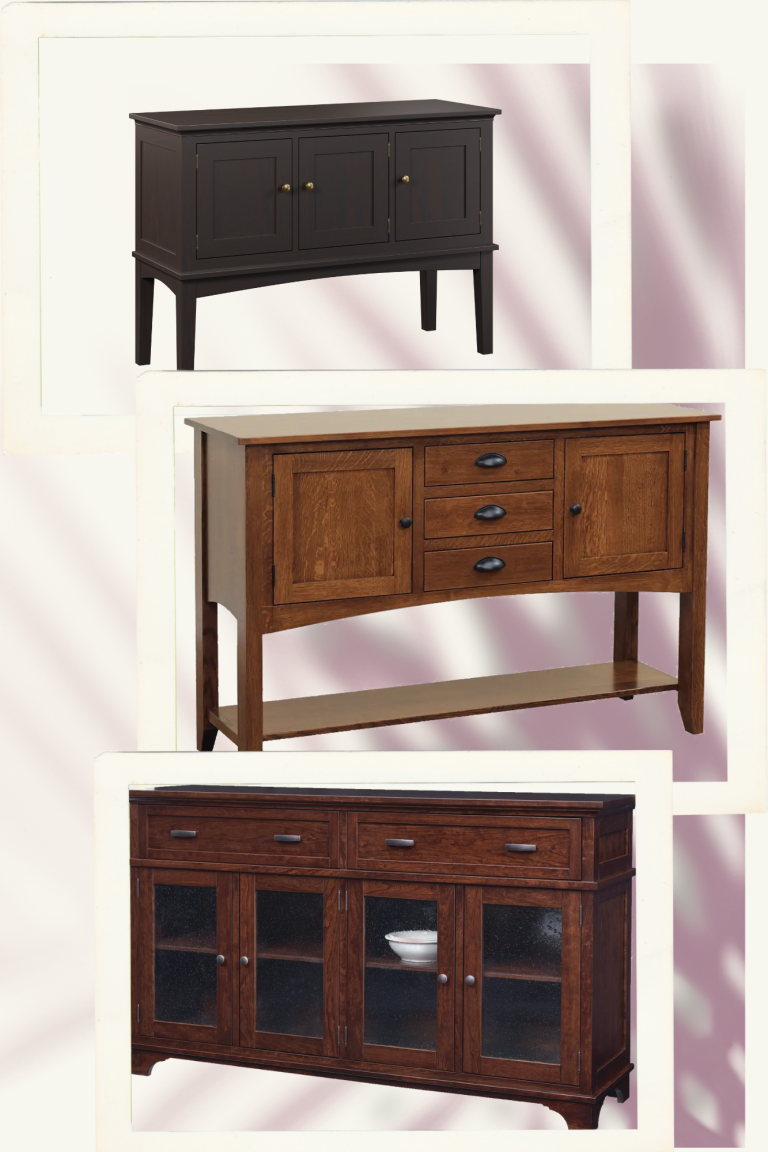
Ever met someone who knows it all? We all have. He or she has a story that puts them dead center of any topic or conversation. They can tell you what it is like at the top of a mountain or at the bottom of the ocean, and if they cannot, they will tell you as near to that approximation as possible.
I am not one of those.
There are whole books written about things I have no clue about. Go to any library and you will see them. Today, I am learning all about buffets, sideboards, and servers right along with you. So forgive me if you already know this and it is not as interesting as some of the others. But if you have ever stood in front of a long wooden cabinet unsure what to even call it, then come find out with me, because buffet vs. sideboard vs. server turns out to be simpler than I expected.
The First Thing I Learned: Nobody Fully Agrees
Here is the first thing that surprised me. Modern makers and retailers often use buffet, sideboard, and server interchangeably, so you will find nearly identical pieces labeled one way on one site and a different way somewhere else. I went in expecting three tidy definitions and found a lot of overlap instead.
The historical distinctions are real, though, and they are worth knowing even if the industry has gotten loose with them. So think of what follows as what the words originally meant, not a rulebook every manufacturer obeys. Once I understood the original purpose of each piece, judging any cabinet on its own merits got a lot easier, whatever the tag happened to say.
The Buffet: The Tall One
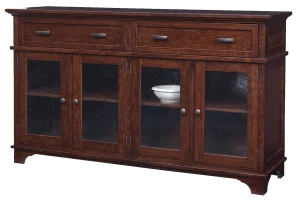 The buffet turned out to be the tall one. Traditionally it was built for serving food, so it sits higher off the ground on slightly longer legs. That extra height makes more sense once you picture it in use. It puts the surface at a comfortable level for standing beside the piece and plating a meal, which is exactly what it was made to do.
Buffets tend to live in formal dining rooms, where they pair naturally with a dining table. They are also the piece most likely to wear a matching hutch on top for extra display and storage. The takeaway I landed on: if a cabinet is long and stands tall, it is almost certainly a buffet.
The Sideboard: The Low, Versatile One
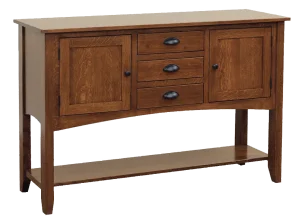 The sideboard, I discovered, is the low, grounded one. It sits closer to the floor on short legs or a low base, which gives it a sleek, settled look. Its main job is storage, things like fine china, table linens, and serving platters kept close but out of sight.
What struck me is how versatile that makes it. Because a sideboard is lower and more understated, it does not have to stay in the dining room at all. People use them as media consoles in the living room, drop zones in an entryway, or extra storage in a home office. The pattern I noticed: if a piece is long, low, and quietly tucks things away, it is a sideboard.
The Server: The Compact One
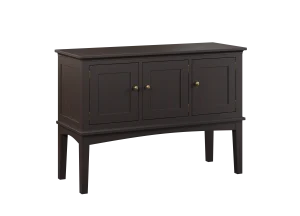 The server is the compact one, and it is the smallest and lightest of the three. It is usually narrower, with taller and thinner legs and a smaller top surface, and many of them pair a couple of drawers with an open shelf or two.
The purpose is refreshingly simple. A server acts as a landing zone during a meal for plates, drinks, and serving trays, without claiming the floor space a full buffet demands. That makes it a smart fit for tighter rooms, a breakfast nook, or a smaller dining area where a big piece would feel bulky. The tell I came away with: if it is tall, narrow, and compact, that is a server.
The Trick That Finally Made It Click
Once I had looked at enough of them, a shortcut emerged. When you are standing in front of a piece, skip the label and read the shape instead. Three quick questions sort it out almost every time:
- Is it long and tall? That is a buffet.
- Is it long, low, and sleek? That is a sideboard.
- Is it tall, narrow, and compact? That is a server.
It is not foolproof, since makers bend these rules all the time, but it lands on the right word far more often than not. That alone would have saved me some confusion at the start.
So Which One Do You Actually Need?
This is where I stopped worrying about names altogether and started with the space and the habits instead. If you host big holiday meals and have a formal dining room with the floor space for it, a buffet gives you that comfortable serving height and a generous surface. If you want one hardworking piece that stores your dining essentials but might migrate to another room someday, a sideboard is the flexible choice that will not box you in. And if you are short on space but still want a dedicated serving spot, a server delivers the function without the footprint.
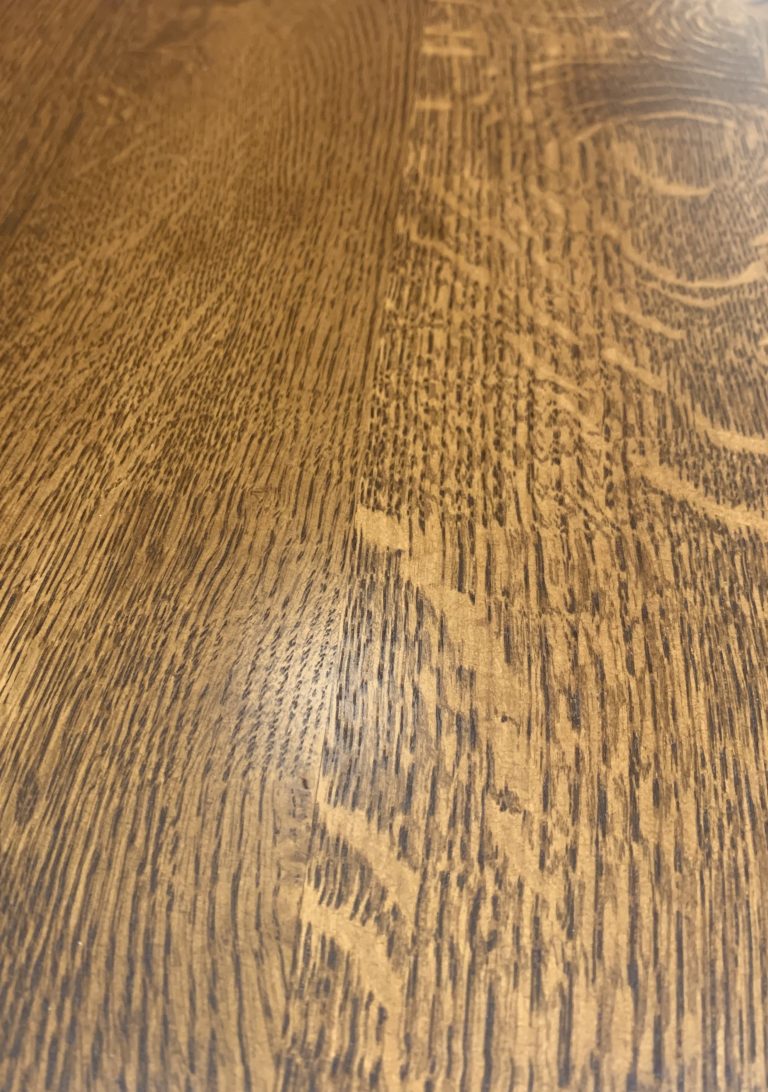
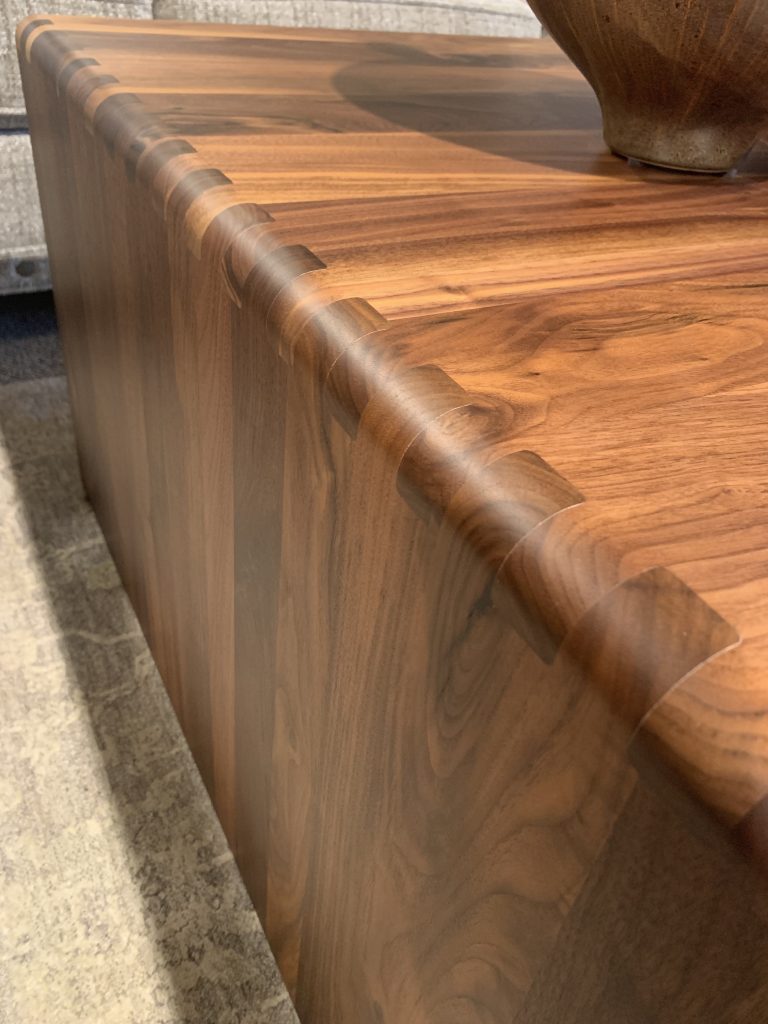
Wood and finish matter here too, since these pieces become a focal point wherever they land. Different hardwoods each bring their own personality, and it is worth seeing how cherry and walnut compare or how the wood you choose shapes the look of the whole room. The right pairing ties the piece to the rest of your furniture instead of fighting it.
One more thing I bumped into along the way: buffets so often go hand in hand with a hutch that the hutch really deserves its own explanation. Watch for a new blog on this subject.
What I Took Away
So here is where I landed. Whatever you call it, the right dining storage piece makes hosting easier and keeps your favorite things close at hand. Once I learned to read the shape, height, and purpose rather than the label, buffet vs. sideboard vs. server stopped being confusing and started being a simple choice about how you live and entertain. And if you enjoy untangling furniture terms like these as much as I apparently do now, the same friendly confusion happens between a chest of drawers and a dresser, and that one is worth a read too.
Be sure to explore the customization options on our online catalogue of furniture to find what stain and hardware is best for your furniture. Stain and hardware options vary by furniture piece and wood type. Some stains work better on certain woods, and hardware options may vary by collection.
Browse our dining room collection to see the buffets, sideboards, and servers we offer, or contact us for help matching a piece to your space and the way you entertain.
Steve Payne is content writer at Millwest Amish Furniture in Plain City, Ohio. He writes about solid wood craftsmanship, furniture care, mattress selection, and the materials that make Amish-built furniture last for generations. With deep roots in Ohio’s furniture community and direct access to Millwest’s network of Amish craftsmen, Steve brings a practical, experience-driven perspective to every article.