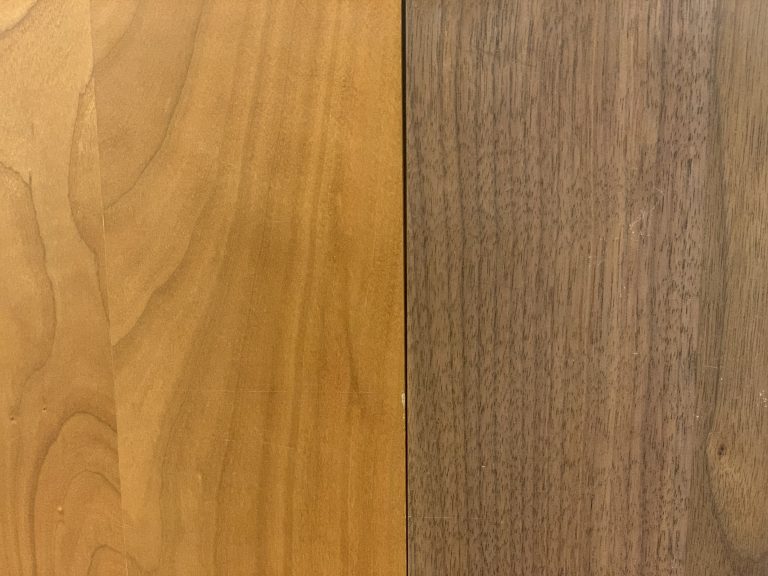
Two of the most beloved hardwoods in American furniture-making are cherry and walnut, and they’re often pitted against each other when buyers are trying to choose. Cherry or walnut? It’s a fair question, because they share enough similarities to compete for the same role in a home, but they have personalities different enough that the right answer depends entirely on what you want from the finished piece. Let’s break down the cherry vs. walnut decision the way someone who’s actually lived with both might explain it.
A Quick Introduction to Each Wood
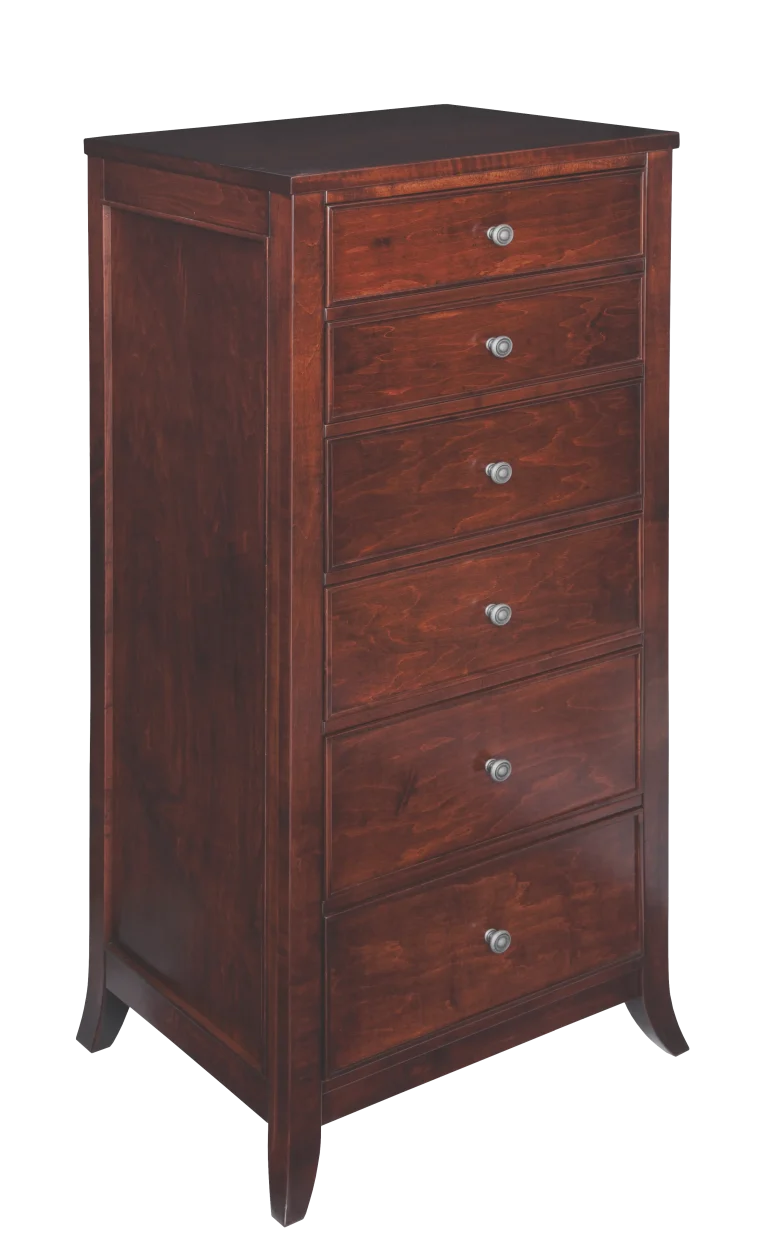
Cherry, specifically American Black Cherry, comes from the eastern United States and is one of the most distinctive American hardwoods in furniture. When freshly milled, cherry is a pale pinkish-tan color, sometimes almost peach. Over months and years of exposure to light and air, it darkens into a rich, warm reddish-brown that’s deeper than almost any other domestic wood can achieve without staining. The transformation is real, and it’s one of the main reasons cherry furniture gets passed down through generations.
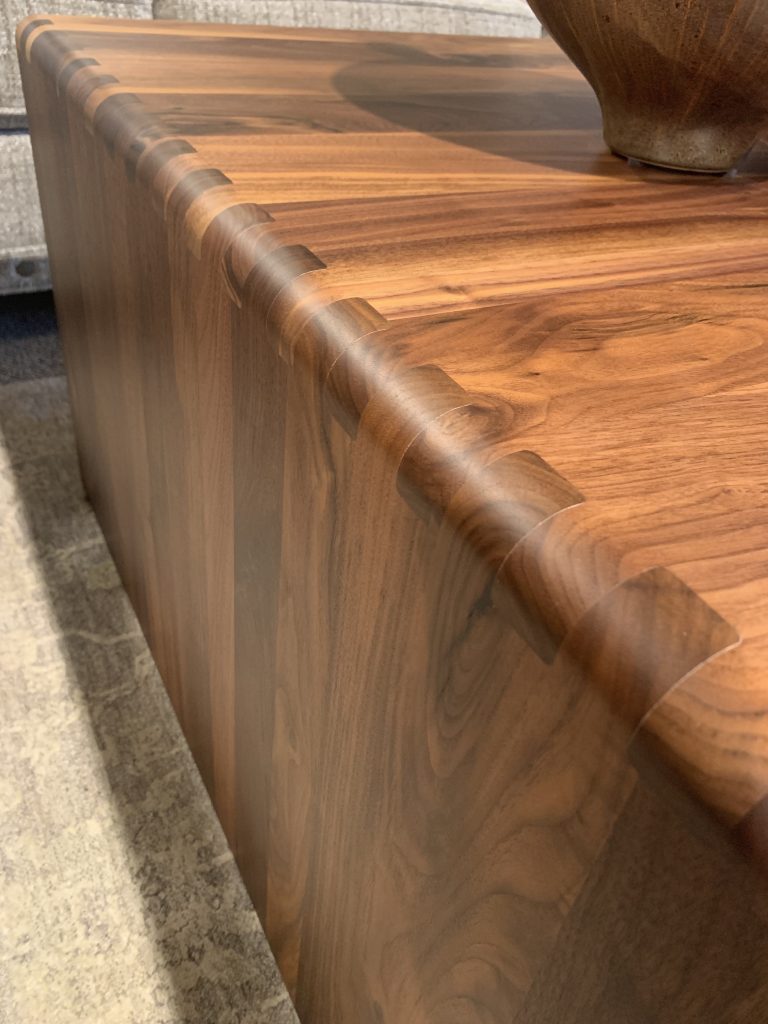
Walnut, specifically American Black Walnut, comes from the same general region. It’s already dark when freshly milled, ranging from chocolate brown to a near-purple-black depending on the cut and the individual tree. The color tones down slightly over time, lightening rather than darkening, which is the opposite of what cherry does. Walnut grain tends to be more dramatic and varied than cherry, with occasional figure and movement that gives each piece a unique character.
Both woods are American classics. Both have been used in fine furniture for centuries. And both will outlast you if treated properly.
The Color Story
If you’re choosing between cherry vs. walnut, color is probably the biggest factor. They start in very different places and they age in opposite directions.
Cherry starts light and gets dark. A new cherry piece in your living room will look noticeably different in two years than it does today. The color shift is gradual but unmistakable. People who love cherry love this aging process, because it means the furniture develops a kind of patina that you can’t fake with stain.
Walnut starts dark and stays dark, with slight lightening over time. What you see in the showroom is roughly what you’ll have ten years from now, just slightly less inky. If you want a wood that delivers immediate richness without waiting, walnut wins on day one.
This has practical implications. If you’re matching furniture to existing pieces or to a specific room palette, cherry can be unpredictable because of how much it will shift. Walnut is more of a known quantity.
The Hardness Question
Both cherry and walnut are softer than the workhorse hardwoods like oak and hard maple. Cherry comes in around 950 on the Janka hardness scale. Walnut is just a touch harder at around 1,010. For comparison, hard maple is around 1,450 and Red Oak is around 1,290.
What does that mean in practice? It means both cherry and walnut will show wear sooner than oak or maple in high-traffic applications. A cherry dining table will accumulate small marks and dents from daily use. So will a walnut table. For some buyers, that’s a feature rather than a bug, because the marks become part of the character of the piece. For others, it’s a reason to choose a harder wood for surfaces that get heavy use.
If durability is your top priority, the cherry or walnut conversation might not be the right one. Our wood characteristics guide covers the harder species in detail.
Grain and Visual Character
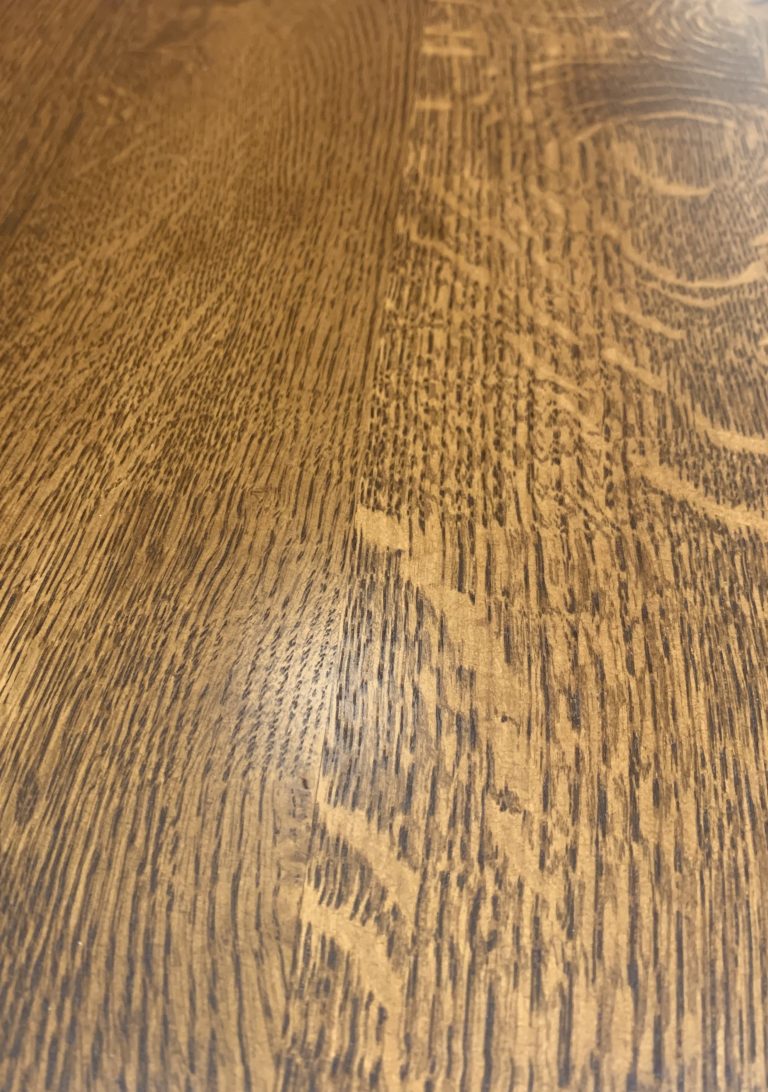
Cherry has a smooth, even grain with subtle variation. It reads as refined and traditional. Cherry furniture tends to feel elegant rather than rustic, and the wood lends itself to clean, classical designs.
Walnut grain is more dramatic. You’ll see swirls, occasional figure, and stronger contrast between lighter and darker portions of each board. Walnut furniture often looks more substantial and visually interesting, with each piece reading as unique because of how distinct the grain patterns are.
Neither is better. They’re different aesthetics for different sensibilities. Cherry leans into harmony and warmth. Walnut leans into character and depth.
How They Take Stain
Both woods are typically left with clear or lightly tinted finishes that let the natural color show through. Cherry in particular is rarely stained because the natural aging process is so prized. Staining cherry can actually fight against what makes the wood special.
Walnut is sometimes left completely natural because the color is already exactly what people want. When walnut is stained, it’s usually to deepen the existing tones or to bring more consistency across boards.
If you’re a buyer who wants to stain a wood to a specific color, both cherry and walnut are probably the wrong choice. You’d be better served by brown maple, which takes stain beautifully and can be finished to look like almost anything. The hard maple furniture post explains the differences between hard maple and brown maple in more detail.
Price Considerations
Walnut is generally more expensive than cherry, sometimes significantly so. The supply of high-quality American Black Walnut is limited, and demand has stayed strong, which keeps prices elevated. Cherry is more readily available and tends to be in a more accessible price range, though still on the higher end of domestic hardwoods.
This isn’t a reason to pick one over the other, but it’s worth knowing when you’re comparing actual quoted prices on similar pieces.
So Which Should You Pick?
Pick cherry if:
- You love the idea of furniture that ages and develops character over time
- You want a warm, traditional look with subtle grain
- You’re working with a budget that prefers cherry’s slightly lower cost
- You’re patient enough to enjoy the color transformation over years
Pick walnut if:
- You want immediate richness and depth in the wood color
- You appreciate more dramatic grain and visual variation
- You want a wood that maintains roughly the same look long-term
- You don’t mind paying a premium for a more distinctive piece
For some pieces, like a bedroom dresser or a four-poster bed, either wood works beautifully. For others, the choice is more constrained. A dining table you’ll use heavily might lean toward walnut just for the slight hardness advantage, while a display piece like a hutch or sideboard might be the perfect place for cherry to do its slow color magic.
If you’re trying to decide between bedroom pieces in cherry or walnut, our post on chest of drawers vs. dresser might help you figure out the right combination of pieces for your space first. And the Amish direct furniture posts explains how these pieces get built, which matters when you’re investing in a wood that’s going to be around for generations.
Browse our solid wood furniture collections and solid wood bedroom sets to see what’s available in cherry, walnut, and our other species. If you want a broader primer on hardwoods first, the introduction to wood blog is a good starting point.
Be sure to explore the customization options on our online catalogue of furniture to find what stain and hardware is best for your furniture. Stain and hardware options vary by furniture piece and wood type. Some stains work better on certain woods, and hardware options may vary by collection.
Steve Payne is content writer at Millwest Amish Furniture in Plain City, Ohio. He writes about solid wood craftsmanship, furniture care, mattress selection, and the materials that make Amish-built furniture last for generations. With deep roots in Ohio’s furniture community and direct access to Millwest’s network of Amish craftsmen, Steve brings a practical, experience-driven perspective to every article.