Hard Maple Furniture: Everything You Should Know Before You Buy
If you’ve spent any time researching solid wood furniture, you’ve probably noticed that maple comes in a few flavors. Hard maple. Soft maple. Brown maple. Sap maple. They’re not interchangeable, and the differences matter more than most people realize. So let’s focus on the heavyweight of the family, the wood that bowling alleys, basketball courts, and butcher blocks are made from. Hard maple furniture has earned its reputation through sheer durability, and it deserves a closer look.
What Hard Maple Actually Is
Hard maple, technically Acer saccharum, is the sugar maple. Yes, the same tree that gives us maple syrup. It grows primarily in the northeastern United States and southeastern Canada, in the same hardwood forests that produce some of the world’s best furniture timber.
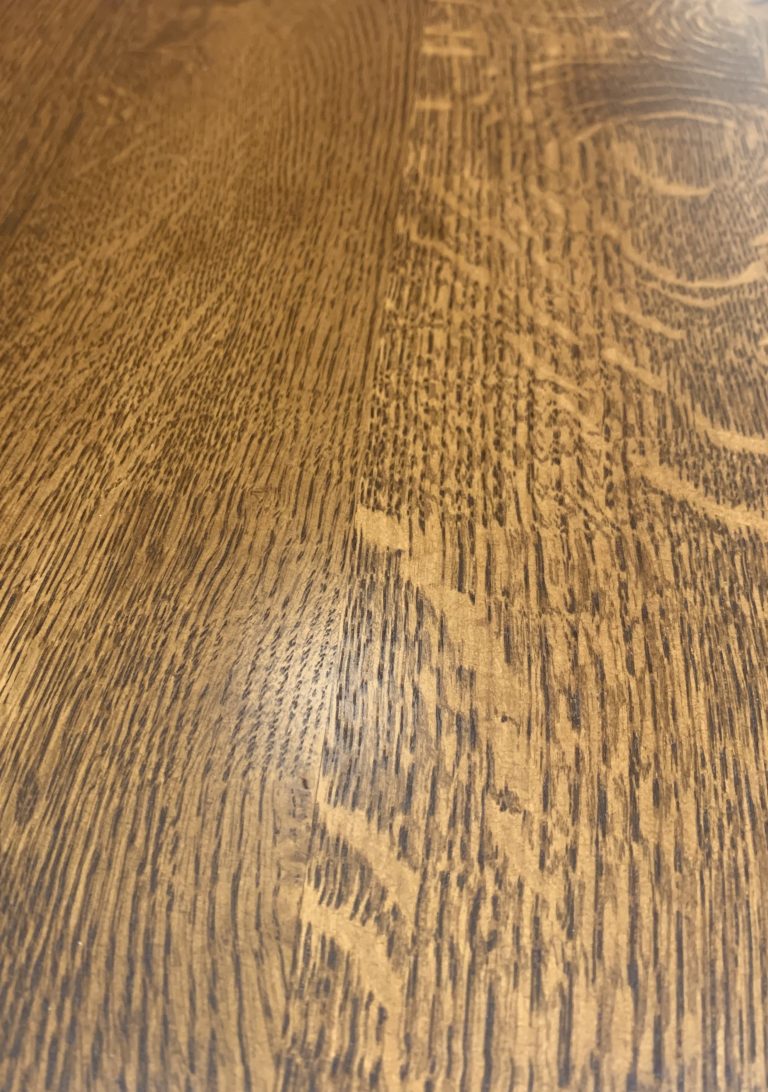
The wood is dense, fine-grained, and creamy white to light reddish brown in color. It’s almost the opposite of a wood like Hickory, which shows dramatic color variation. Hard maple is generally uniform, clean, and bright, which is part of why it shows up in so many modern and Scandinavian-style furniture pieces.
The Janka hardness rating for hard maple is around 1,450, putting it firmly in the upper tier of domestic hardwoods. For comparison, Red Oak comes in around 1,290 and Cherry around 950. That density translates to furniture that resists dents, scratches, and the general wear that comes with daily use.
Hard Maple vs. Brown Maple, Which Is Which
This is where people get tripped up. When you see “brown maple” listed as a furniture wood, you might assume it’s a different species. It’s actually the same species as hard maple, sort of. Brown maple refers to the heartwood of soft maple varieties, which has a darker color than the white sapwood and takes stain beautifully. It’s softer than true hard maple but still plenty durable for furniture.
So here’s the simplest way to remember it. Hard maple is the dense, light-colored, slightly more expensive option that resists dents like a champ. Brown maple is softer, darker, more affordable, and takes stain so well that it can be finished to mimic cherry, walnut, or just about anything else.
Both have their place. Hard maple furniture is often left with a natural or lightly toned finish to show off the bright wood. Brown maple is typically stained to look like a richer, darker wood without the price tag.
If you want a deeper dive into how brown maple and hard maple compare to the other hardwoods we carry, our wood characteristics guide breaks down each species in detail.
Why Hard Maple Furniture Holds Up So Well
Three reasons hard maple has the reputation it does:
The first is density. The tight grain structure resists dents and dings from everyday use. Drop a book on a hard maple table and you might not even see a mark. Drop the same book on a softer wood and you’d likely leave an impression.
The second is dimensional stability. Hard maple doesn’t expand and contract as dramatically with humidity changes as some other hardwoods, which means your dining table stays flat, your dresser drawers keep gliding smoothly, and the joinery stays tight across seasons.
The third is grain consistency. The fine, uniform grain pattern of hard maple means the wood machines cleanly, holds detail in carved or shaped pieces, and finishes to a smooth surface without the swirling figure you get in some hardwoods. That makes it ideal for tables, desks, and any piece where a clean working surface matters.
Best Stain for Maple, and Why It’s Tricky
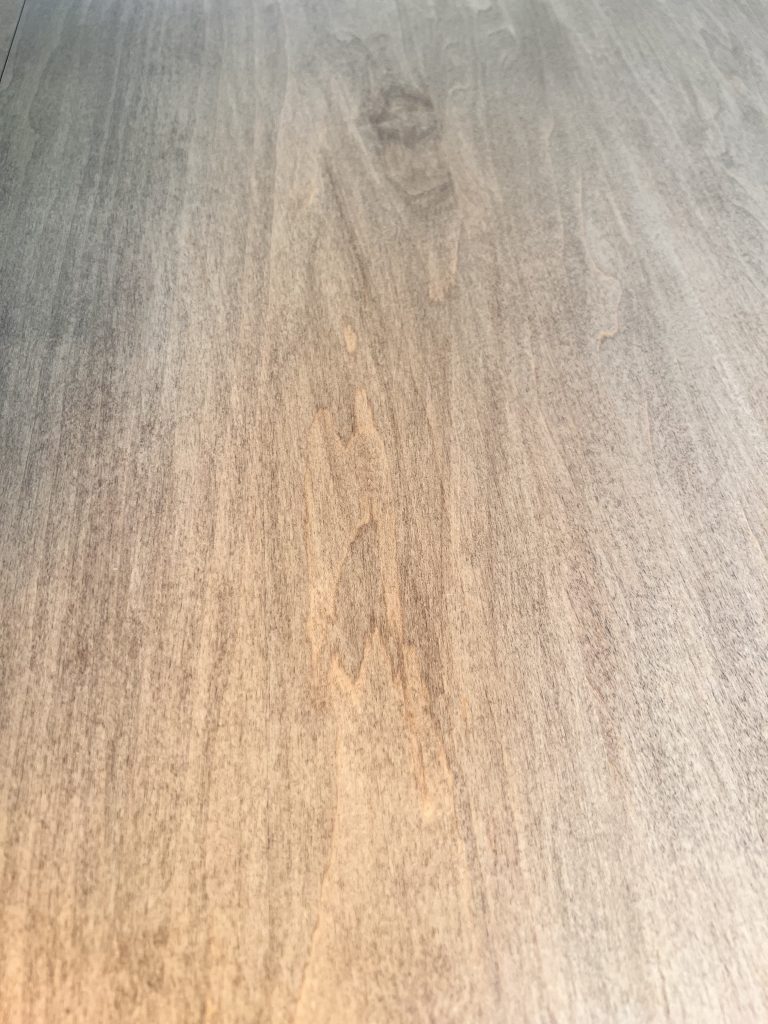
Here’s where hard maple gets complicated. The same dense grain structure that makes it so durable also makes it notoriously difficult to stain evenly. Hard maple tends to blotch when stained with traditional oil-based stains, showing dark patches where the wood absorbs unevenly.
The best stains for maple work around this in a few ways. Gel stains sit more on the surface and reduce blotching. Pre-stain conditioners help the wood accept color more evenly. Water-based dyes can produce cleaner results than oil stains. And in many cases, the best approach is to embrace the natural color of hard maple rather than fight it.
This is one of those areas where working with experienced craftsmen pays off. The Amish workshops that build the maple furniture we carry have spent generations figuring out how to finish hard maple well, and the result is a finish that’s even, durable, and shows off the wood’s natural character. If you’re set on a particular stain color, brown maple may actually be the better choice for your project, since it takes stain far more reliably than hard maple does.
What Hard Maple Furniture Works Best For
A few categories where hard maple genuinely shines:
Dining tables. The durability and clean finish make hard maple a top choice for tables that see daily use.
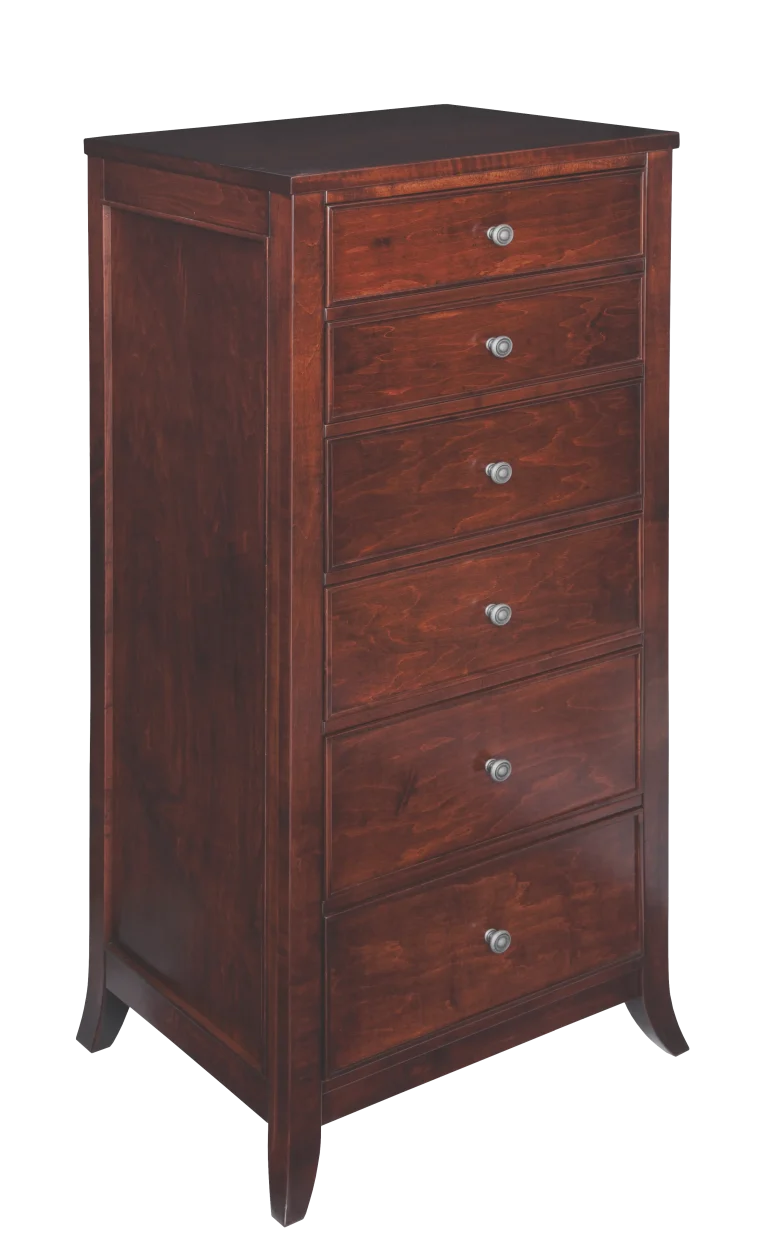
Bedroom furniture. Hard maple dressers, chests, and four-poster beds last for generations. If you haven’t decided between a chest and a dresser for your bedroom, our post on chest of drawers vs. dresser walks through the practical differences.
Desks and office pieces. The smooth working surface and resistance to wear make hard maple ideal for desks that get used hard.
Kitchen pieces. Butcher blocks, kitchen islands, and prep surfaces are often hard maple for the same reasons it shows up in commercial kitchens.
Children’s furniture. Hard maple’s durability holds up to the abuse that kids dish out.
What to Look For When Buying Hard Maple Furniture
A few things worth checking:
Make sure the piece specifies hard maple, not just “maple.” If the listing is vague, ask. There’s a meaningful price and quality difference between hard maple and soft maple.
Check that the wood is solid throughout, not veneer over a core of cheaper material. Solid hard maple furniture has a heft to it that veneered pieces don’t.
Look at how the maker handles the natural color variation. Some hard maple boards have streaks of darker mineral content or small knots. Quality builders sort the boards thoughtfully so the piece reads as visually balanced.
Ask about the finish. A good finish on hard maple should be even, smooth, and not blotchy. If you’re seeing dark patches in product photos, that’s a sign the wood wasn’t prepped properly before staining.
The hard maple furniture we carry at Millwest is built by Amish craftsmen who treat the wood with the respect it deserves. You can browse our solid wood furniture collections and solid wood bedroom sets to see what’s available in maple and other species. If you’re new to the conversation about hardwoods and want a primer, the introduction to wood blog is a good starting point. And if you want to understand how these pieces get built in the first place, the Amish direct furniture post pulls the curtain back on the whole process.
Be sure to explore the customization options on our online catalogue of furniture to find what stain and hardware is best for your furniture. Stain and hardware options vary by furniture piece and wood type. Some stains work better on certain woods, and hardware options may vary by collection.
Steve Payne is content writer at Millwest Amish Furniture in Plain City, Ohio. He writes about solid wood craftsmanship, furniture care, mattress selection, and the materials that make Amish-built furniture last for generations. With deep roots in Ohio’s furniture community and direct access to Millwest’s network of Amish craftsmen, Steve brings a practical, experience-driven perspective to every article.