When I first started working for Millwest, I was introduced to a whole world and language that I wasn’t expecting. In my mind I already know about furniture. Sure, I was prepared to learn about new pieces that I’d never heard of before like the chessar, a combo piece between a chest and a dresser but other than those oddities, I knew everything. Or so I thought. As my time went on, I started leaning into my ignorance of industry terms and set out writing pieces like this to explain to the rest of the masses what the confusing online store means when they say, “This live edge oak table is benchmade accompanied by end tables that compliment the aesthetic featuring breadboard ends!” Thinking like a buyer who doesn’t know what they don’t know has come in handy multiple times when writing descriptions, advertisements, and blogs. When you’re shopping for quality furniture, you’ll encounter all sorts of industry terminology that sounds impressive but can be confusing. Terms like “benchmade,” “breadboard ends,” and “live edge” get tossed around product descriptions, but what do they actually mean for you as a buyer?
Let’s decode three of the most important industry terms you’ll encounter when shopping for solid wood furniture. Understanding these concepts will help you make informed decisions and truly appreciate the craftsmanship behind quality pieces.
What Does Benchmade Really Mean?
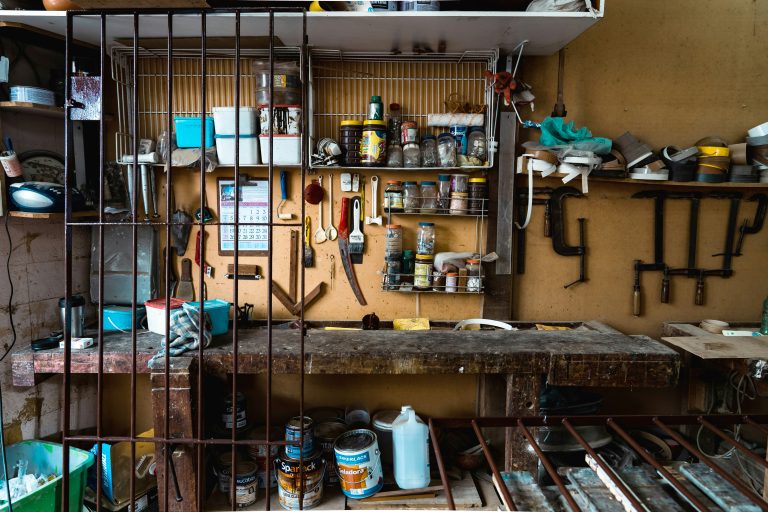
“Benchmade” is a term used in furniture to describe pieces that are built by skilled craftsmen at individual workbenches rather than assembled on a high-speed production line. Historically, the word implied that a single artisan shaped, joined, and assembled a piece largely by hand. While modern workshops now incorporate advanced equipment, the core meaning of benchmade remains rooted in hands-on craftsmanship and human oversight. In today’s furniture industry, benchmade does not mean that machines are absent. In fact, most reputable shops use tools such as CNC routers, planers, and wide-belt sanders to ensure precision and consistency. However, the distinguishing feature of benchmade construction lies in how the furniture is assembled and finished. Instead of moving down an impersonal conveyor system, components are brought together by trained woodworkers who fit joinery, inspect alignment, sand surfaces, and apply finishes with careful attention to detail. Benchmade furniture is typically associated with solid hardwood construction and traditional joinery methods such as mortise-and-tenon or dovetail joints. Because each piece is handled and assembled by craftsmen, there is greater opportunity for quality control and customization. Ultimately, “benchmade” signals a commitment to craftsmanship within a modern production environment. It bridges traditional woodworking values with contemporary efficiency, emphasizing skilled labor and thoughtful construction rather than mass-produced uniformity.
Breadboard Ends: The Secret to Stable Tabletops
Now let’s talk about breadboard ends, a construction technique you’ll often see mentioned for dining tables and desks. If you’ve ever noticed that some wood tabletops have a border that looks like it’s attached perpendicular to the main surface, you’re looking at breadboard ends. Here’s why they matter. Solid wood naturally expands and contracts with changes in humidity and temperature. In the Midwest, where we experience significant seasonal changes, a wide tabletop can expand by a quarter-inch or more from winter to summer. Without proper construction techniques, this movement can cause warping, cracking, or splitting. Breadboard ends run perpendicular to the main boards of the tabletop, creating a frame that helps keep the table flat while still allowing the wood to move naturally. Think of them as stabilizers. The construction involves special joinery techniques, typically using mortise and tenon joints or tongues and grooves, that allow the tabletop boards to expand and contract while keeping the overall surface stable and flat. Not every table needs breadboard ends. Smaller surfaces and certain wood species handle movement differently. However, for larger dining tables, especially those made from woods like Cherry or Brown Maple that can show significant seasonal movement, breadboard ends provide essential stability that protects your investment.
When you’re shopping for dining tables, ask whether the piece features breadboard ends. It’s a sign that the furniture maker understands wood movement and has built the table to perform well year after year. Our collections like the Liberty and Arlington tables often incorporate this traditional technique because it delivers both structural integrity and classic styling.
Live Edge: Bringing Nature Inside
Live edge is probably the most visually distinctive term on our list. Unlike benchmade and breadboard ends (which describe construction methods), live edge refers to a design choice that showcases wood’s natural beauty. A live edge piece retains the natural, uncut edge of the tree along one or both sides of the wood surface. Instead of trimming the board into a perfectly rectangular shape, furniture makers preserve the organic contour where the bark once attached to the wood. The result is furniture that displays the tree’s natural growth pattern, complete with curves, knots, and unique character marks. Live edge design has surged in popularity over the past decade because it creates a stunning focal point that connects your home to the natural world. Each piece is genuinely one-of-a-kind since no two trees grow exactly the same way. A live edge coffee table or dining table becomes a conversation piece that tells the story of the tree it came from.
The technique works particularly well with certain wood species. Elm, with its dramatic grain patterns and natural durability, creates striking live edge pieces. Hickory’s bold color variations and rustic character shine when the natural edge is preserved. Even QSWO can create interesting live edge pieces, though the straighter grain pattern creates a different aesthetic than the wilder woods. Creating quality live edge furniture requires skill. The craftsman must carefully remove the bark without damaging the edge, then stabilize the wood to prevent checking (those small cracks that can form along the edges). They often fill natural voids with epoxy resin, which can be clear to showcase the wood or tinted to create artistic contrast. The result is furniture that balances raw, natural beauty with refined craftsmanship. Live edge pieces work in both rustic and contemporary settings. In a modern home with clean lines, a live edge dining table adds organic warmth. In a farmhouse-style space, it reinforces the connection to natural materials and traditional craftsmanship.
Why These Terms Matter for Your Purchase
Understanding these industry terms empowers you to ask better questions and make choices that align with your needs. When you know a piece is benchmade, you can appreciate the individual craftsmanship and feel confident about requesting customizations. When you see breadboard ends on a dining table, you recognize it as a quality feature that will help the table stay beautiful for decades. When you’re drawn to live edge design, you can discuss with our team which wood species will best achieve the look you’re after. These aren’t just marketing buzzwords. They’re genuine indicators of how your furniture is made and what you can expect in terms of quality, longevity, and aesthetic appeal. At Millwest, many of our furniture makers employ these traditional techniques because they simply work better than mass-production shortcuts.
Want to see these techniques in action? Explore our collections of dining tables, visit our pages on wood characteristics to learn more about different species, and check out our guide on furniture care to keep your benchmade pieces looking beautiful.
Be sure to explore the customization options on our online catalog of furniture to find what stain and hardware is best for your furniture!
Ready to invest in furniture that’s built the right way? Visit our showroom or browse our solid wood furniture collections online. Our team can answer your questions about benchmade construction, explain which pieces feature breadboard ends, and show you stunning examples of live edge design. Let’s find the perfect piece that combines expert craftsmanship with your personal style.
Steve Payne is content writer at Millwest Amish Furniture in Plain City, Ohio. He writes about solid wood craftsmanship, furniture care, mattress selection, and the materials that make Amish-built furniture last for generations. With deep roots in Ohio’s furniture community and direct access to Millwest’s network of Amish craftsmen, Steve brings a practical, experience-driven perspective to every article.