

Leather Furniture Care & Cleaning
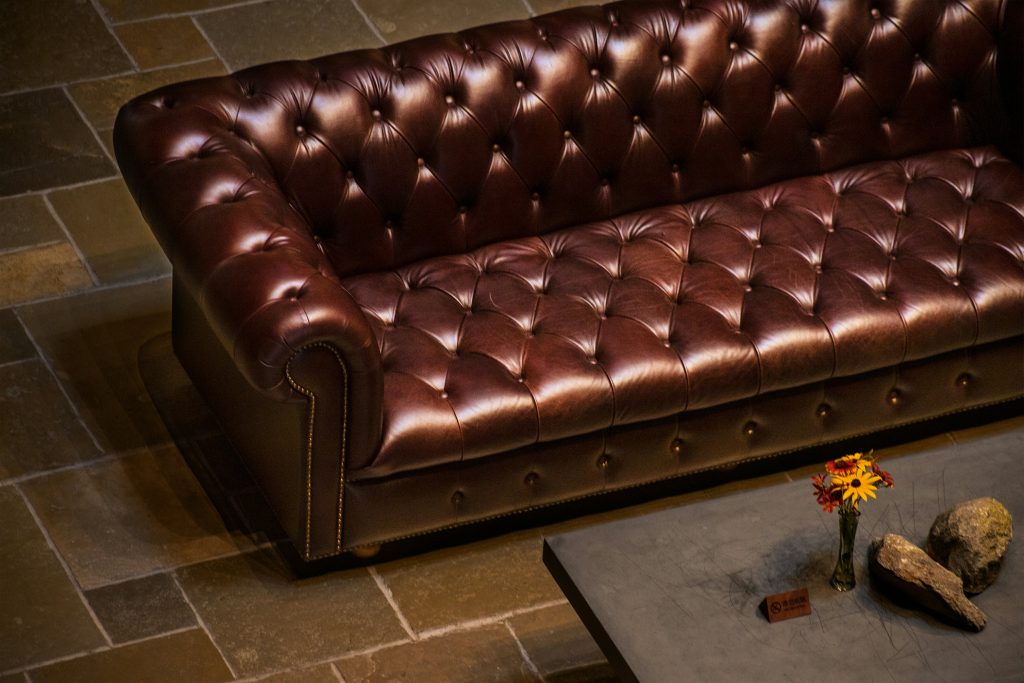
Leather furniture is a timeless investment that’s valued for its beauty, durability, and comfort. When properly cared for, quality leather can last for decades and often becomes even more attractive with age. The good news is that leather is surprisingly low-maintenance once you understand how it responds to everyday use. The key is knowing what type of leather you have and how to care for it correctly. With the right approach, keeping your leather furniture looking its best is simple.
Proper care and maintenance will help your furniture look beautiful and last for years to come. These general guidelines apply to all types of indoor furniture. For material-specific care instructions, please visit our dedicated pages for [Smith Brothers of Berne Upholstery Care], [General Furniture Care], and [Wood Care].
Understanding Your Leather Type
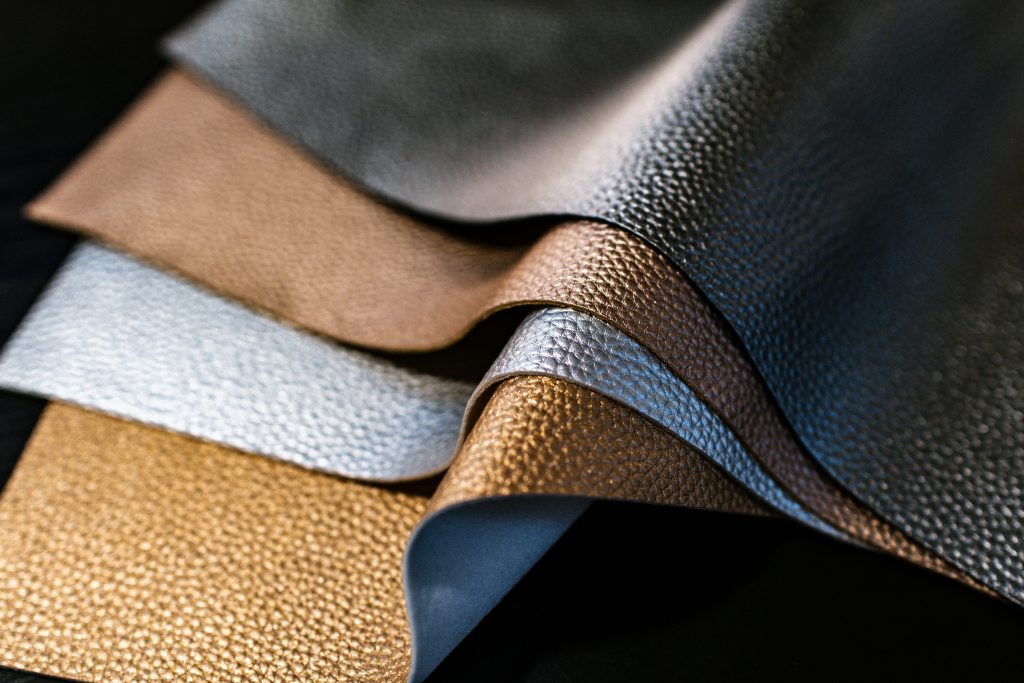
Not all leather is created equal, and that matters when it comes to care – especially conditioning. Here are the main types:
Pure Aniline Leather
The most natural and breathable option. It shows the leather’s natural grain and character, including any natural markings. This type absorbs liquids (including conditioners) and will develop a rich patina over time. The trade-off? It’s more susceptible to staining and fading because it has minimal protective coating.
Semi-Aniline Leather
A middle ground – it has a light protective coating that gives it more stain resistance than Pure Aniline while still maintaining a natural look and soft feel. More durable, but won’t absorb conditioners as readily.
Pigmented/Protected Leather
The most durable and stain-resistant option. It has a protective coating on the surface that makes it easy to clean but also means conditioners won’t penetrate – they’ll just sit on top and create a film.
Why does this matter? Because conditioners only work on Pure Aniline leather. On other types, they just make a mess. We’ll get to that in a minute.
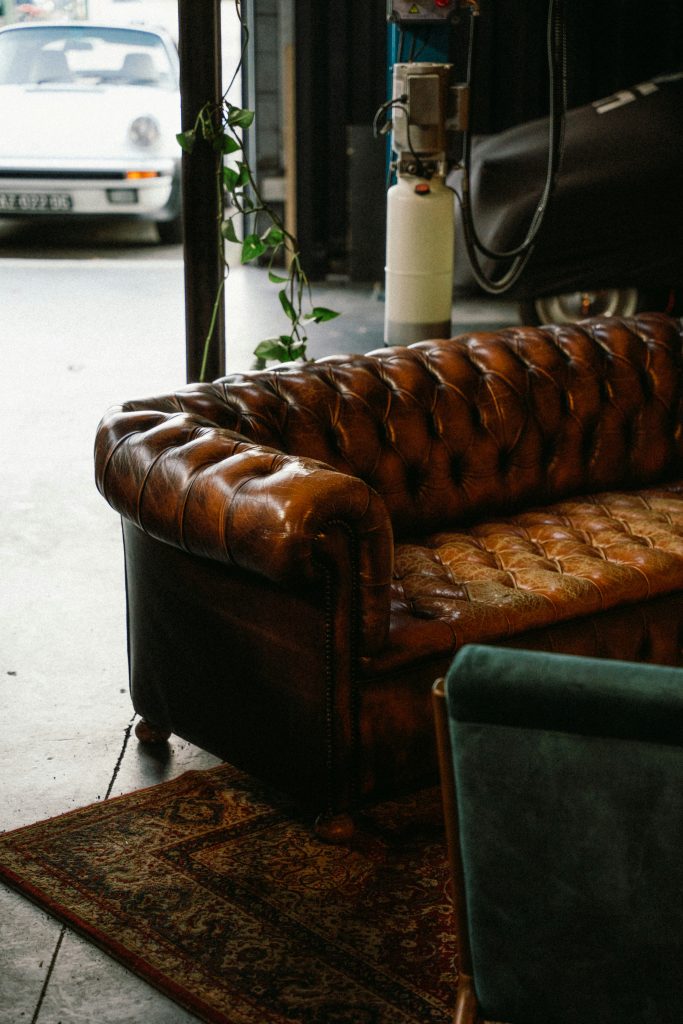
Daily & Regular Care
Dust Regularly
Gently wipe away dust with a clean, white cloth. If necessary, lightly dampen the cloth with distilled water – but don’t leave moisture sitting on the leather. A quick wipe and dry is all you need.
Vacuum Carefully
Use your vacuum’s upholstery attachment to get into crevices and seams, but use the soft brush setting and be gentle. Harsh brush attachments can scratch or damage leather surfaces.
Rotate and Fluff
Just like with fabric furniture, flip and rotate leather cushions regularly to distribute wear evenly. This prevents that sad, flattened look on your favorite sitting spot.
Spot Cleaning Leather
Spills on leather? Don’t panic. Here’s your game plan:
- Act immediately. Soak up any liquids right away with a clean, white cloth. Speed matters here.
- Wipe gently. Using a clean, white cloth lightly dampened with distilled water, gently dab away any crumbs or residue. Avoid harsh scrubbing – leather is tougher than fabric, but you can still damage it.
- Dry it off. Use another clean, white cloth to dry the area completely.
- Repeat if needed. Sometimes it takes a couple passes. Be patient.
- For stubborn stains: Don’t get heroic with household cleaners. Contact a professional upholstery cleaner or leather technician. They have specialized products that won’t damage your investment.
A note on Pure Aniline leather stains: Because this type is so absorbent, some stains will actually dissipate into the grain structure over time and become less noticeable. Give it a few weeks before you panic.
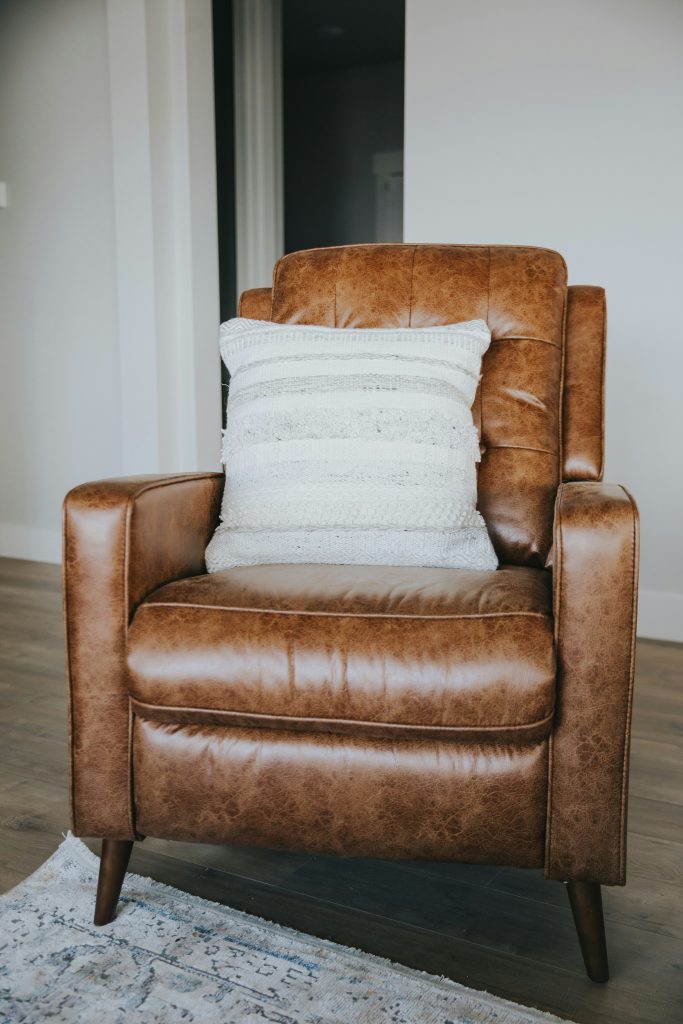
Conditioning Leather (Proceed with Caution)
Here’s where people get into trouble. Let’s clear up the confusion:
Can I condition my leather furniture?
Maybe. It depends entirely on what type of leather you have.
Pure Aniline Leather: Yes, if it’s looking dry or cracked, a leather conditioner may help. But – and this is important – test the product on a hidden area first (like the back panel or under a cushion) and follow the instructions closely. Conditioners can cause color changes, so you need to know what you’re getting into.
Semi-Aniline or Pigmented/Protected Leather: No. Don’t bother. The protective coating prevents the conditioner from sinking into the grain, so it just sits on the surface like an unwanted film. You’re wasting product and potentially creating a sticky mess.
Bottom line: If you’re not sure what type of leather you have, don’t guess. Contact the manufacturer or a leather professional before applying any conditioner.
What to Avoid
Direct Sunlight
Even the most protected leather will eventually fade in direct sunlight. Position your furniture away from windows, or use curtains and UV-protective window film.
Heat and Forced Air
Keep leather away from radiators, heating vents, fireplaces, and other heat sources. Heat dries out leather and causes cracking. Your leather furniture doesn’t want to live like a piece of jerky.
Household Chemicals
Hand sanitizer, hair gel, body lotions, medications, cleaning products, pet flea treatments – these can all react with leather’s protective surface and cause it to deteriorate. When the protective layer breaks down, color can start rubbing off. Be mindful of what touches your leather.
Harsh Scrubbing
Leather is durable, but aggressive scrubbing with rough cloths or brushes can scratch and damage the surface. Always use clean, soft, white cloths and gentle motions.
When to Call a Professional
If you have:
- Stubborn stains that won’t budge
- Large spills or extensive soiling
- Cracking or significant drying (and you’re not sure about conditioning)
- Color transfer or fading issues
…it’s time to call in a professional leather technician or upholstery cleaner who specializes in leather. They have the expertise and products to handle problems without making them worse.
Need more care guidance?
- [General Furniture Care] ← Back to basics
- [Fabric Furniture Care] → For your upholstered pieces
- [Wood Furniture Care] → Tables, frames, and more