
Solid Wood Furniture Care
Wood Furniture Care
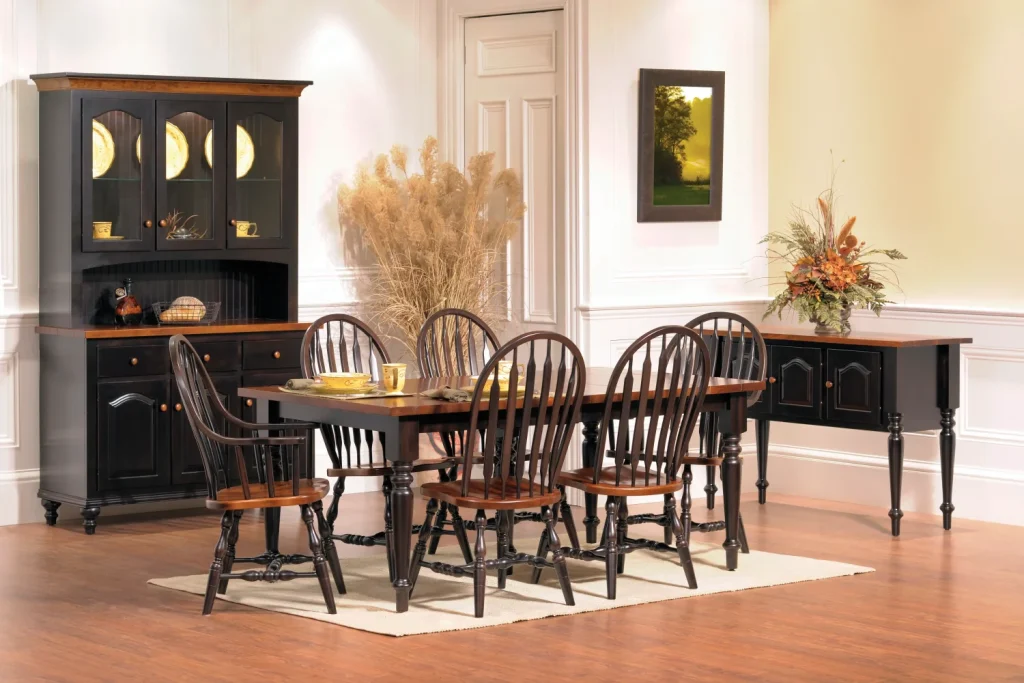
When hardwood furniture is well cared for, it can be enjoyed by your family and future generations for many years to come. Whether you purchased your hardwood furniture new or inherited a cherished family heirloom, properly caring for it will keep it looking its best.
Proper care and maintenance will help your furniture look beautiful and last for years to come. These general guidelines apply to all solid wood indoor furniture. For material-specific care instructions, please visit our dedicated pages for [Smith Brothers of Berne Upholstery Care], [Leather Care], and [General Furniture Tips and Care].
Daily & Weekly Cleaning
Dining Tables & Kitchen Islands
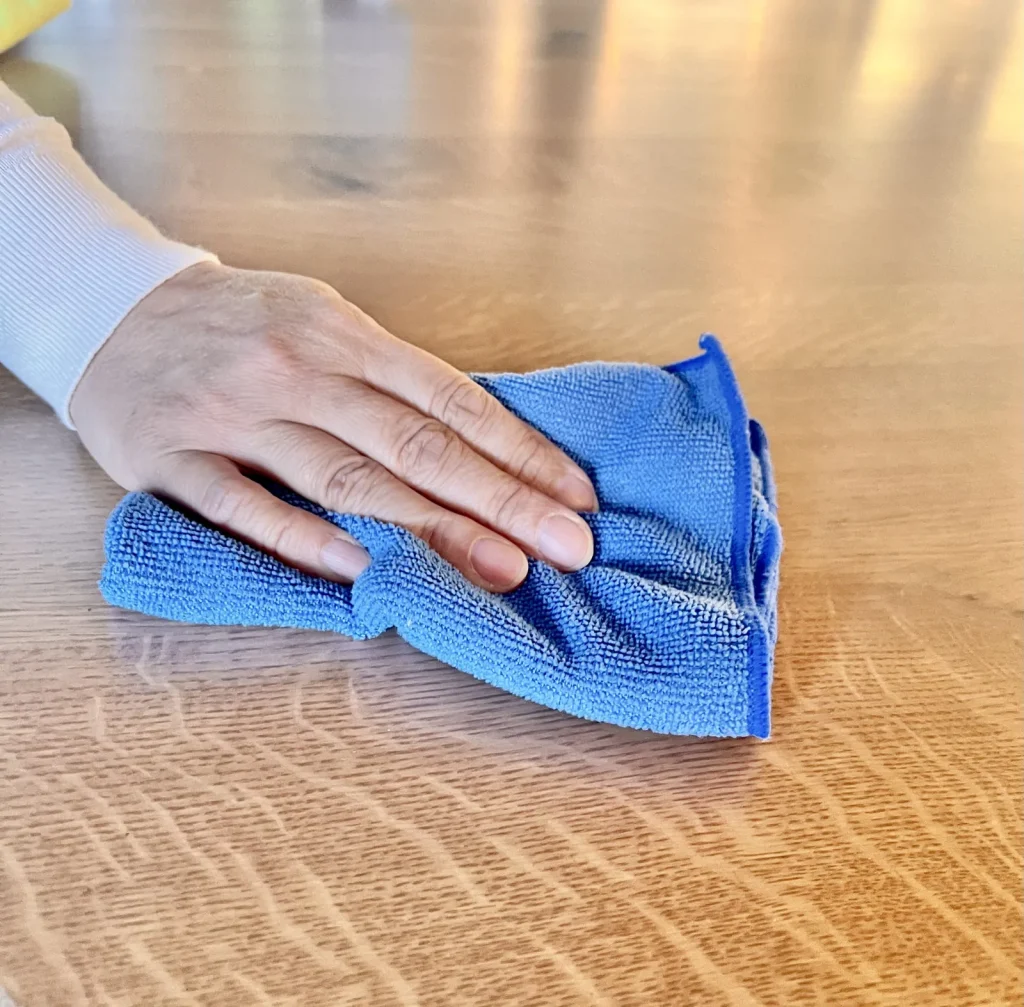
Your dining table works hard, so it needs regular attention. Wipe your hardwood dining table promptly after each meal with hot water and a soft cloth. For a streak-free look, follow immediately with a dry, soft cloth. If you have a kitchen island with a hardwood food prep surface, clean it the same way each time you use it for food prep or serving.
Important: Always use cutting boards during food preparation to protect the surface from knife damage.
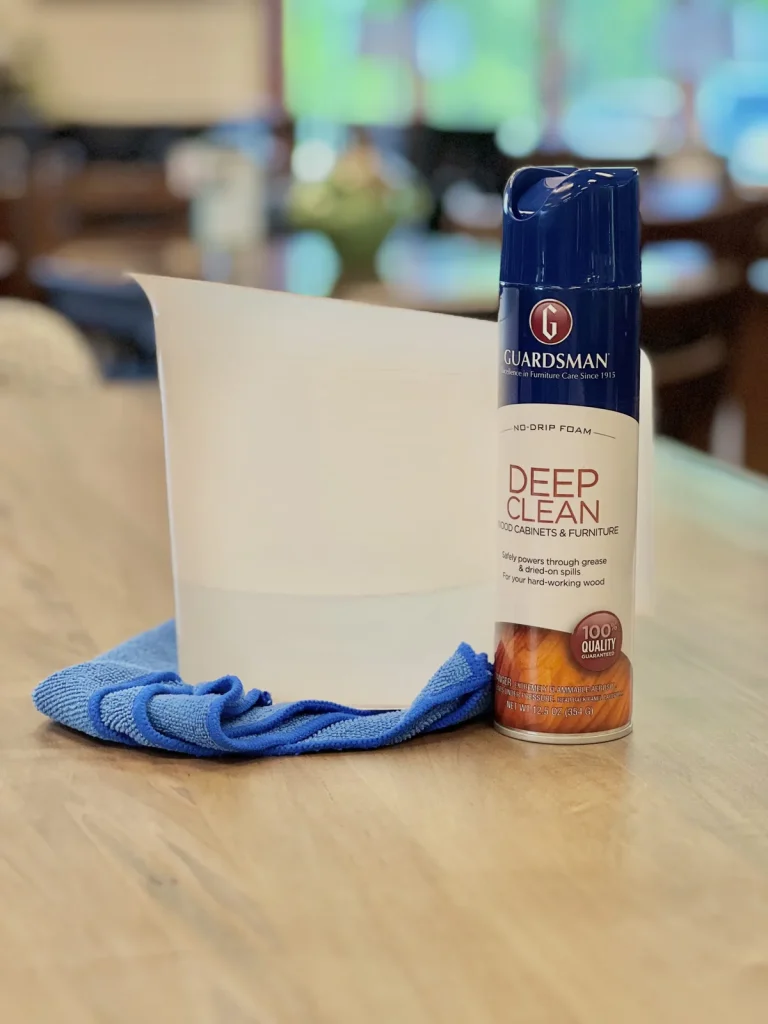
The base of the island, along with dining chairs and stools, don’t need cleaning as often. When you do need to tackle greasy or sticky residue or stubborn stuck-on food, we recommend Guardsman Deep Clean Purifying Wood Cleaner.
Bedroom Sets, Office Furniture, TV Stands & Occasional Tables
These pieces don’t see the same action as a dining table, but they still need love. A weekly dusting with a lint-free or microfiber cloth will keep them looking their best. Here’s why dusting matters: accumulated dust can create small surface scratches on the wood’s finish and can attract moisture.
Pro tip: When you dust, gently dust in the direction of the wood grain, and switch to a clean cloth if you notice significant dust buildup on the one you’re using.
For Deeper Cleaning
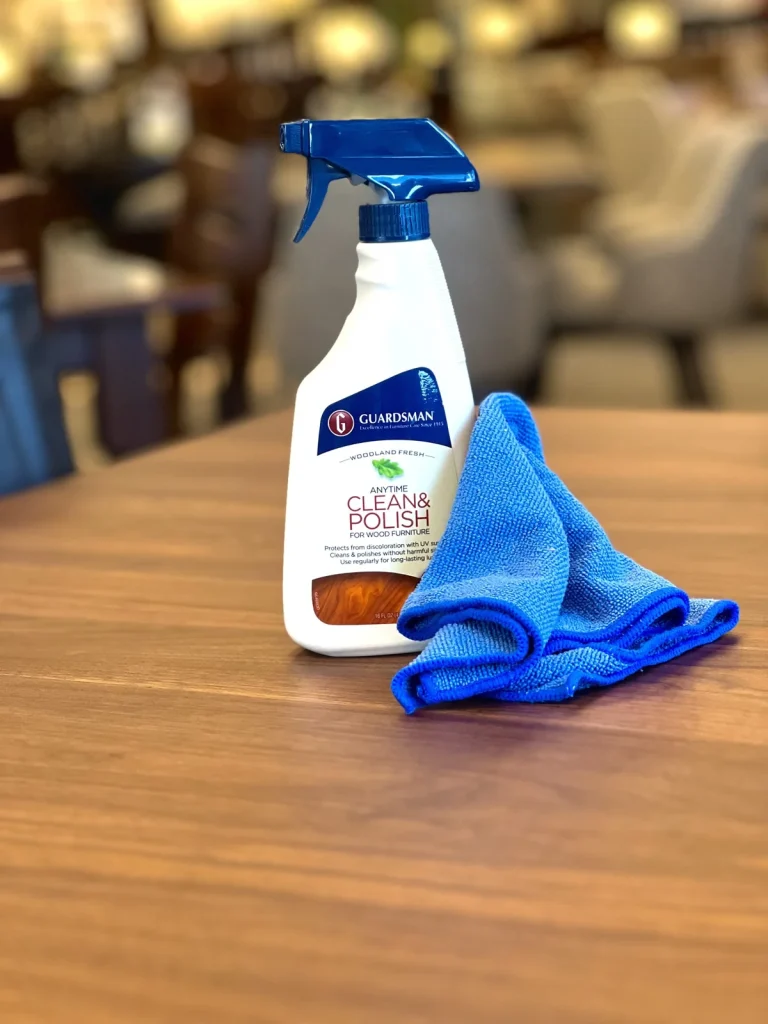
When you need to remove heavy dust, fingerprints, smudges, or streaks, reach for Guardsman Clean & Polish or Guardsman Deep Clean Purifying Wood Cleaner. Both are great products designed specifically for hardwood furniture.
Polish Rarely (Yes, Rarely)
Here’s something most people get wrong: hardwood furniture only needs to be polished occasionally – not weekly, not even monthly necessarily. Polish when you want to enhance the wood’s natural sheen and highlight its beautiful grain, but don’t overdo it.
We recommend Guardsman Clean & Polish, which is silicone-free (avoiding that sticky buildup problem) and offers the added benefit of providing UV sunblock to help protect wood from discoloration.
Tend to Spills Promptly
The hardwood furniture we sell includes a durable finish that helps protect it from everyday use, but it’s still important to immediately wipe up spills, water rings, and food debris. It’s especially critical to wipe up anything greasy or that tends to stain – letting these sit could potentially cause them to penetrate through the finish and damage the wood.
Prevention is easier than cleanup: Consider using coasters or cloth placemats beneath drinks to avoid leaving water rings directly on the furniture.
What to Avoid: The Don’t List
Harsh Cleaners
Polishes or cleaners that contain abrasives, silicone, wax, or ammonia should not be used on hardwood furniture. These can cause cumulative damage to the finish.
Natural homemade cleaners containing lemon juice or vinegar should also be avoided – the acid in those solutions can eventually harm or dull the furniture’s finish.
All-purpose cleaners or cleaners containing bleach should also stay far away from your wood furniture, as harsh chemicals cause cumulative damage to the finish.
Heat & Sunlight
Cookware, dishes, or kitchen appliances that are extremely hot should not be placed directly on hardwood furniture – the heat can damage the finish. Use hot pads or trivets to properly protect your furniture.
Position hardwood furniture away from registers, baseboards, fireplaces, wood stoves, or space heaters. Areas in your home that are exposed to prolonged direct sunlight are not ideal for hardwood furniture unless you can install window treatments to help block or filter the light.
Protect From Scratches
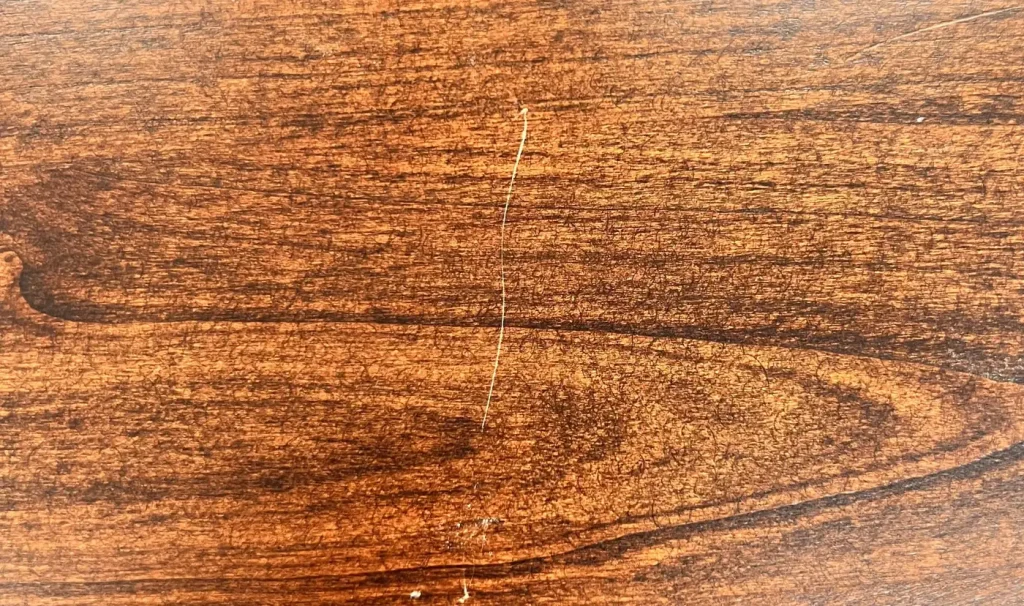
Hardwood is one of the most durable materials available for furniture, and when it’s properly finished, it can handle everyday wear and tear for years before showing its age. Still, a few simple habits will keep accidental scratches and scrapes to a minimum.
Pad Under Pens and Pencils
Writing straight on a hardwood surface can press in indentations or bleed ink into the finish. Slip a desk pad or notepad underneath before you start. A magazine, catalog, or book works in a pinch too.
Cover Up for Play and Crafts
If the kids spread out toys or games on hardwood furniture, put down placemats or a similar covering first. Blocks, toy cars, and craft supplies leave their mark faster than you’d expect.
Don’t Slide Objects
Be careful not to slide glass, ceramic, pottery, metal, wood, or sharp items across the surface. Lift and place instead.
Humidity Control
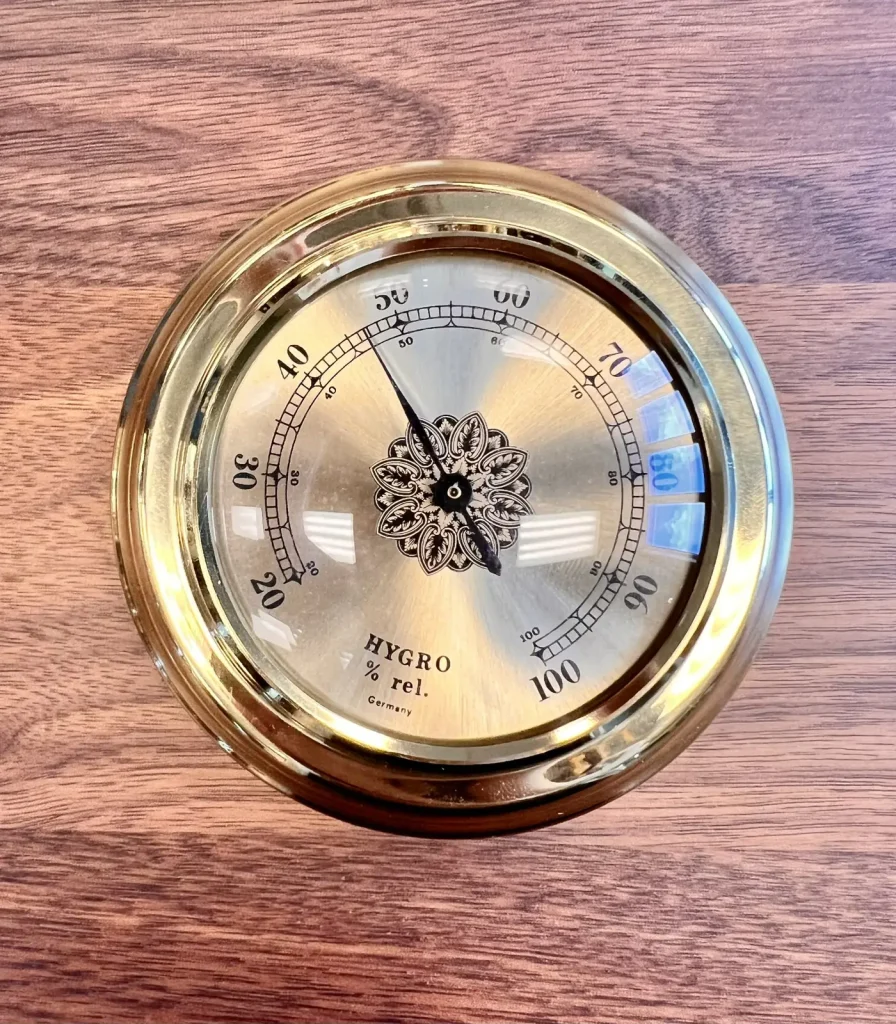
To minimize the potential for swelling, cracking, or warping in hardwood furniture, it’s important to keep your home’s humidity between 35% and 45%.
If you don’t have a way to monitor your home’s humidity, consider purchasing a portable hygrometer. Because humidity levels can vary in different rooms or on different floors, it’s ideal to keep a hygrometer on each floor of your home.
Why bother? Maintaining recommended humidity levels will not only extend the life of your hardwood furniture – it may also reduce heating and cooling costs and protect your family’s health as well.
Last but not least…

Watch Out for Pets
Don’t allow pets to climb or put their paws or claws on hardwood furniture. Those little scratches add up.
Ongoing Maintenance
Dusting Hazards
Here’s something most people don’t realize: many furniture scratches occur while dusting as people move objects to dust beneath them. Use small felt pads on the bottoms of objects you know you’ll frequently need to move or reposition – lamps, picture frames, decorative items, etc.
Moving Furniture Properly
Always lift furniture when moving it – never drag or push. Dragging can:
- Damage the furniture legs and frame
- Scratch or gouge your flooring
- Loosen joints and connections
- Create long-term structural problems
If something’s too heavy, use furniture sliders or recruit help.
Have questions about caring for your hardwood furniture?
We’re here to help. When you purchase hardwood furniture from us, we’ll gladly answer any questions you have about proper care, and we can direct you to the best Guardsman furniture care products for your needs. We want you and your family to enjoy the natural beauty of your heirloom-quality furniture for many years to come!
Need more care guidance?
- [General Furniture Care] → Back to basics
- [Fabric Furniture Care] → For your upholstered pieces
- [Leather Furniture Care] → Caring for leather upholstery