
General Furniture Care & Cleaning
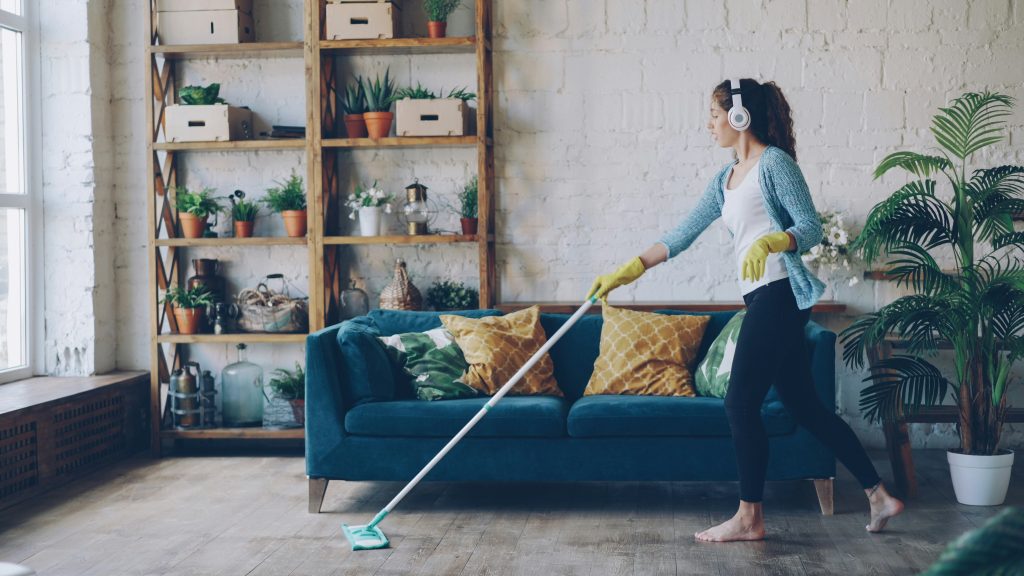
Let’s be real. No one enjoys cleaning but there’s one thing that we all enjoy less than cleaning and that’s cleaning things wrong! It’s a chilling moment to see a spill you’re trying to get out of your favorite pillow or sofa cushion suddenly become set and stained. So, we decided to write these pages on cleaning those stains so you can be prepared!
Proper care and maintenance will help your furniture look beautiful and last for years to come. These general guidelines apply to all types of indoor furniture. For material-specific care instructions, please visit our dedicated pages for Smith Brothers Upholstery Care, Leather Care, and Wood Care.

Proper Placement & Environment
Mindful Positioning
Position furniture away from direct sunlight, heat sources (like radiators or vents), and areas of high moisture to prevent fading, cracking, and warping. Even the most protected materials will eventually fade or deteriorate in direct sunlight. Heat sources and forced air can dry out materials like leather, causing cracking over time.
Humidity Control
Most of us don’t have a humidity meter in our homes, but it’s worth considering one if you live in more humid parts of the country such as the Southeast or Gulf Coast, the Mid-Atlantic states (Virginia, Maryland, Delaware, New Jersey, and coastal Pennsylvania), the inland wet areas and Great Lakes states, or the beautifully humid Pacific Northwest. For best environments and longevity, maintain a consistent indoor humidity level between 35-45% to protect susceptible materials like wood and leather from damage.
Proper Handling
When possible, avoid dragging or pushing furniture across floors. Lifting furniture helps reduce stress on the legs and joints and helps prevent snags or scratches on your flooring.
Daily & Weekly Maintenance
Keep Dust at Bay
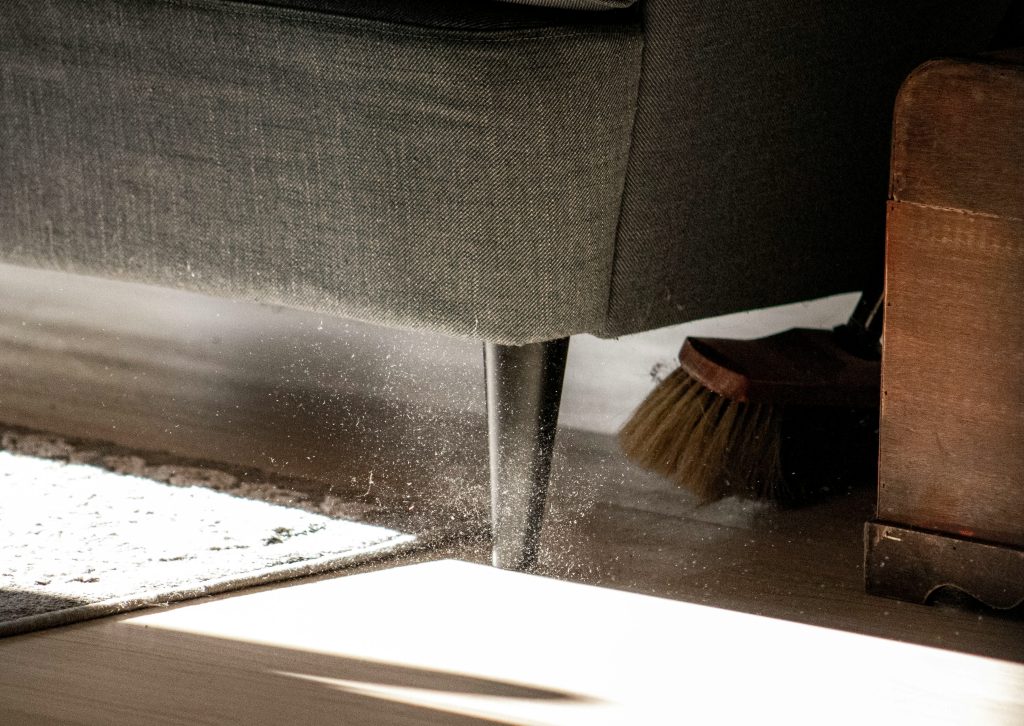
Here’s the thing about dust – it’s not just unsightly, it’s actually abrasive and can wear down your furniture over time. Grab a soft microfiber cloth and give all your furniture surfaces a quick once-over each week. Make sure to actually clean it up and not just transfer it from one place to another. Dust flies and can just settle somewhere else you just dusted! For upholstered pieces, break out the vacuum with a brush attachment. (But skip those harsh brush heads – they can rough up fabrics and even damage leather.) Think of it this way: dust settles on your couch at the same rate it settles on your coffee table, so give both the same love.
Flip, Rotate, and Fluff
This one’s easy and makes a huge difference. Flip and rearrange your loose cushions regularly – it’s like rotating the tires on your car, but way less expensive. This spreads out the wear so you don’t end up with that one sad, flat cushion everyone avoids. While you’re at it, give those toss pillows and loose backs a good fluff to help them keep their shape. Pro tip: if things are looking a little deflated, you can always add loose fiber fill to plump them back up.
When Disaster Strikes: Spill Response
The Golden Rule: Blot, Don’t Rub
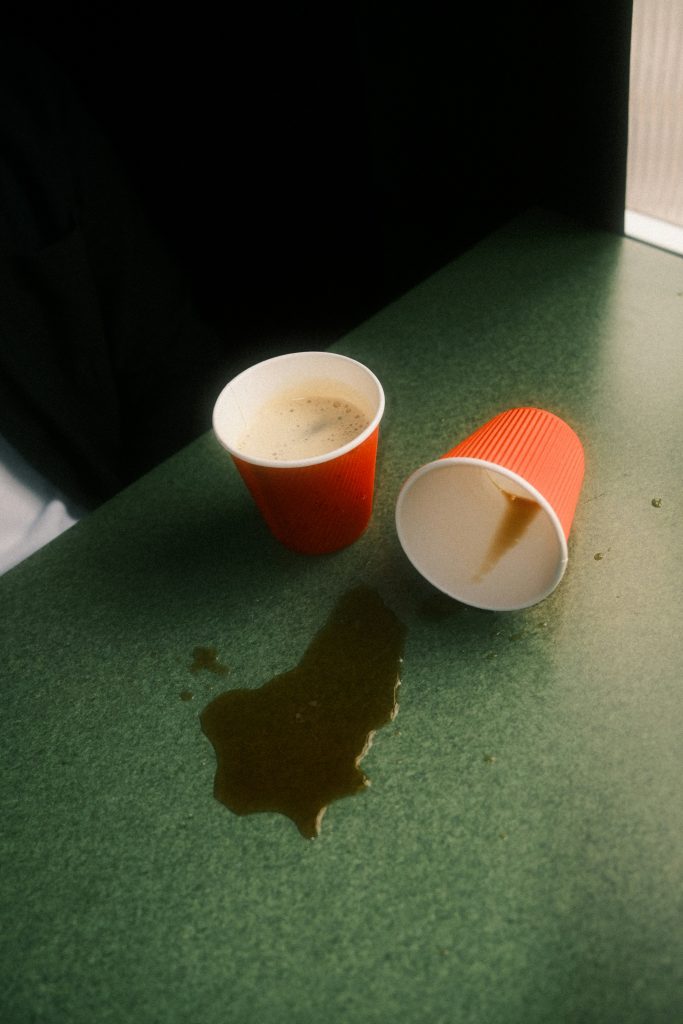
Spills happen. The key is acting fast. Grab a clean, dry cloth and blot – press straight down and lift, press and lift. Whatever you do, don’t rub or scrub – that just pushes the stain deeper or spreads it around. Once you’ve blotted up what you can, head to our dedicated care pages ([Smith Brothers of Berne Upholstery Care], [Leather Care], or [Wood Care]) for material-specific stain removal tips.
The Don’t List (Yes, This Matters)
Harsh Chemicals Are Not Your Friend
All-purpose cleaners, bleach, ammonia, silicone-based polishes – they might work great on your counters, but they’re terrible for furniture. They can strip finishes, discolor materials, and void your warranty faster than you can say “oops.”
Watch Out for Everyday Products Too
It’s not just the obvious cleaning chemicals you need to worry about. Hand sanitizer, hair gel, body lotions, medications, and even flea treatments on pets can all react badly with furniture surfaces, especially leather. These can break down protective coatings and cause color to rub off over time.
Be Careful With DIY Treatments
Cheap, over-the-counter fabric sprays can sometimes cause more harm than good, leading to pilling and fiber damage. If you want to protect your furniture, invest in quality products designed for upholstery and always follow the manufacturer’s instructions.
Ongoing Maintenance
Quick Hardware Check
Once a year, do a quick inspection of hardware on pieces that get the most use. Check bedframes for any loose bolts, and make sure doors on dressers or armoires are hanging straight and hinges are tight. A quick tightening when needed keeps everything functioning smoothly and prevents bigger issues down the road. Typically speaking, our furniture won’t deal with loose bolts or screws backing out. That’s quality. But over time, wood shrinking and expanding combined with usage can cause this to occur. That’s just science. Think of it like changing your smoke detector batteries – just a smart annual habit.
Ready to dive deeper?
These general tips apply to all your furniture, but different materials need different TLC. Check out our detailed guides: